Jahangir's World Times First Comprehensive Magazine for students/teachers of competitive exams and general readers as well.

Modernization and Development
The main features of a modernized society include: having independent government, high level of urban life, high level of literacy, high level of human motivation, high level of industrialization, high level of educational services for all, high level of freedom of expression and high level of democratization. In addition to these, social justice is another component which is considered one of the main features of a modernized society. Social justice has three main indicators including: equality in distribution of wealth, equality against law and equality in distributing opportunities.
In comparing the modernized society to traditional society, there are several main differences between the two of them. In modern society, social interactions and recruitment are based on specialism, but in traditional society, social dealings are based on nepotism. Modern societies are highly independent but traditional societies are highly dependent. Traditional societies act or react on the basis of traditional values such as nepotism; tribe, tradition, language, etc., but modernized society act or react on the basis of rationalism. In modernized society, there is a high level of money circulation in the market, but in traditional societies there is no culture of trusting financial institutions and banks and so money is kept as cash in the personal wallet. In modern society, there is mutual relationship between cities and villages, but in traditional society, there is only unilateral flow of goods and so the villages are always underdeveloped.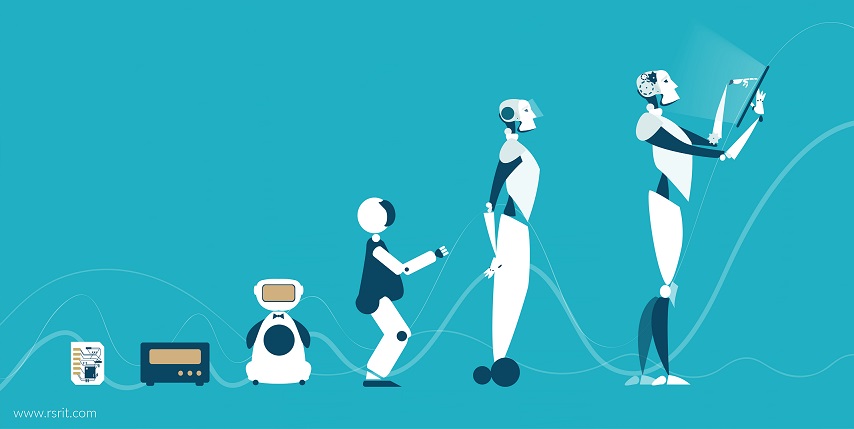
There are various ideas among thinkers over the factors of modernization in a society. According to Maccalaland, a famous modernization thinker, one of the most important factors of modernization is human motivation. Based on his ideas, we need to seriously invest in human capital and cultivate the motives of advancement among the work force, especially the high ranking managers. Thus, he believes that the parents can play key roles in motivation of children through having good behaviour and encouragement. For example, the parents should expect their children excel others and accordingly try to support them. The parents must not be autocrat and they must try to pave the way for their participation in daily family decision-making processes.
According to Ankles, another thinker of modernization, modernization needs modern human. As he describes, modern human is the one who is ready for accepting changes and is willing to new experiences and methods. Secondly, the modern human is independent, not under control of parents, elders, rich people, politicians or government. It means freedom is an important precondition for creativity and advancement. Thirdly, modern human is the one who believes in getting knowledge. Fourthly, modern human is motivated and ambitious. Fifthly, modern human uses planning skills and always has short-term plan, midterm plan and long-term plan. A modern human always knows what he is going to do in the next five years. Based on Ankles’s theory, education and work environment are considered central preconditions for promoting all these features in building modern human.
Based on Bella, religion can also play positive role in modernization. After carrying out some researches on Japanese religion, he concluded that TokoKawa religion alike Protestantism had positive impact on Japanese modernization and development. His finding shows three features in Japanese religion which played positive role in Japan including: hard work, frugality and legality of profit. Moreover, according to Japanese religion, the workers should do their job in best possible quality, regardless of receiving less or more salary. These religious teachings slowly changed to a national culture in Japan and eventually led to the today’s development. In Japanese culture, laziness is a big shame while working hard, being thrifty and showing proficiency are considered great pride to his family.
Thus, research shows a serious link between democratization and development. It means, the more economically developed, the more chances to be successful in democratization. Economic welfare can promote the standard of literacy, education and public media and eventually pave the way for meaningful political participation. Most of the public dissatisfactions are rooted in scarcity of economic resources, but if a country has a good economic capacity, the hands of political leaders are open to satisfy all the citizens. Therefore, the level of public satisfaction is high in wealthy countries. Moreover, the people are more independent in rich countries rather than poor countries and so their political participation will be more meaningful and effective.
Similarly, a powerful free market can play effective role in decentralization process in a country. It can also facilitate the people to monitor and limit the power as there are numerous tools to be used for such purposes. In free market system, government has more monitoring role rather than operational role.  In free market system, there will be more creativities, competition and productions. Most often, it will be controlled by the invisible hand except few cases which are beyond the ability of individuals and free markets. Overall, in free market system, the government will be small, but society will be big and more active.